Watercolour Illustrations of Sand: Capturing Earthy Texture
The Raw, Organic Appeal of Digital Earth Elements
There’s a tangible, almost primal connection we have with natural textures. The grit of sand, the uneven surface of clay, the warm tones of desert landscapes—these elements ground us. For designers, capturing that authenticity digitally can be a challenge. That’s where a resource like the Watercolour Illustrations of Sand set becomes invaluable. It’s not a font in the traditional typographic sense; it’s a collection of high-fidelity, watercolour-style illustrations of sand and earth surfaces, isolated and ready for integration into your projects. Think of it as a premium design asset that injects immediate organic warmth and textural depth into any composition.
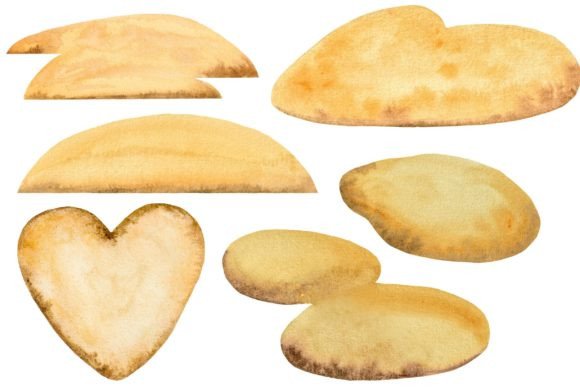
The visual personality of this set is distinctly raw and artistic. The illustrations mimic the delicate, irregular washes of real watercolour paint on paper, combined with the granular detail of sand particles. You’ll find a range of browns—from pale, sun-bleached beige to deep, rich umber—each with subtle variations and soft, bleeding edges that avoid the sterility of a perfect digital gradient. The included pieces aren't uniform; they are irregular, organic shapes, like islands of texture, offering tremendous flexibility for layering and composition. This style communicates authenticity, craftsmanship, and a relaxed, natural aesthetic. It’s the visual equivalent of a handmade, artisanal touch.
Where This Texture Set Truly Shines: Practical Applications
Understanding where this asset works best is key to leveraging its full potential. Its strength lies in projects that benefit from a human, tactile feel. It’s a fantastic creative font alternative when you need to convey texture rather than letterforms. For brand identity, particularly for businesses rooted in nature, wellness, outdoor adventure, ceramics, or organic products, these textures can form the backbone of a logo design or brand pattern system. Imagine a skincare brand using a subtle sand texture as a background element on its packaging, or a travel agency incorporating it into social media graphics to evoke a desert or beach destination.
In editorial design and publishing, these illustrations are perfect for creating evocative section dividers, chapter openers, or textured backgrounds for pull quotes in both print and digital layouts. A blogger or content creator can use them to develop a consistent, recognizable visual style for their featured images or infographics. For web design, they can serve as subtle hero image backgrounds or textured UI elements, provided they are used judiciously to maintain readability. The key is that they add a layer of sophistication and interest that a flat colour cannot achieve.
Integrating Texture with Purpose: Design and Readability
Introducing a strong texture like this requires a thoughtful approach to visual hierarchy and readability. The primary rule is to ensure that any text placed over these illustrations remains legible. This often means using them in areas with minimal text—like a header zone, a sidebar, or as a full-bleed background behind a large, bold headline with ample contrast. A sans serif font with a clean, modern typography style often pairs best, as its simplicity provides a clear counterpoint to the organic complexity of the watercolour sand. A heavy script font or handwritten font could also work for short, impactful titles, echoing the artistic style of the texture itself.
The influence on brand perception is immediate. Using these textures consistently can position a brand as authentic, grounded, and creative. It moves a design away from a cold, corporate feel towards something more personal and engaging. For entrepreneurs and small business owners, this can be a powerful differentiator, helping to build recognition and connect with an audience that values authenticity. The file formats included—JPG and SVG—offer practical versatility. The JPGs are ready to use for most print and digital applications, while the SVGs provide scalability for larger format printing or more complex vector-based compositions without losing quality.
Making It Work for You: A Practical Guide
When evaluating if this set fits your project, ask a few key questions. Does your project's theme align with nature, texture, or earthiness? Is the desired tone warm, artisanal, or organic? If yes, it’s a strong candidate. Start by examining the individual pieces within the set. Look at the colour variations and shapes. Can you envision them layering together or being cropped to fit your layout? Test them early in your design process. Place a sample texture behind your chosen typeface and evaluate the contrast and mood. Does it enhance the message or distract from it?
Consider the font pairing dynamics. While this isn't a typeface, it interacts with your chosen fonts. A good pairing might involve a clean sans serif font for body copy and a textured display element from this set for headings. Avoid pairing it with other overly decorative or textured fonts, as the result will likely feel chaotic and illegible. Finally, review the licensing. Since it's a commercial font asset, ensure the license covers your intended use, whether for a client's brand identity, your own small business marketing, or a print-on-demand product. Proper licensing is a cornerstone of professional practice, protecting both you and your client.
Ultimately, the Watercolour Illustrations of Sand set is more than just a decorative element. It’s a versatile design asset that can inject personality, depth, and a compelling natural narrative into a wide array of creative projects. Used with intention, it helps bridge the gap between the digital and the tangible, creating work that feels both polished and profoundly human.