Understanding Abstract Color Flow Line: A Modern Design Asset
In the realm of modern typography, visual impact often relies on movement and emotion rather than just legibility. When you encounter a design asset like the Abstract Color Flow Line, you are looking at more than just a collection of letters; you are engaging with a piece of digital art. This specific typeface represents a growing trend in creative font design where the boundaries between text and illustration blur. For designers, entrepreneurs, and content creators, understanding the unique characteristics of the Abstract Color Flow Line is essential for creating visuals that resonate deeply with an audience.
The Visual DNA of Abstract Color Flow Line
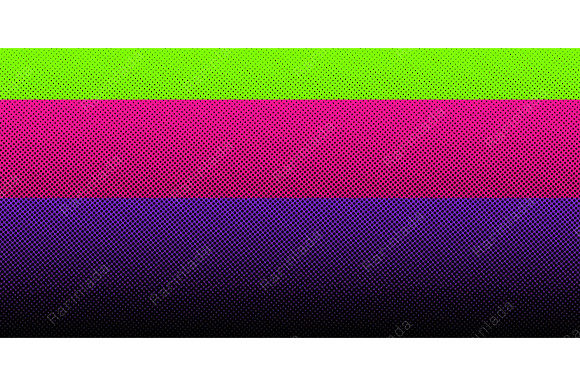
At its core, the Abstract Color Flow Line is a display font designed to command attention. Unlike traditional serif fonts or clean sans serif fonts used for body copy, this typeface prioritizes personality and aesthetic appeal. The defining feature of this style is its fluid, continuous strokes that mimic the behavior of water or silk in motion. It often incorporates gradients or multi-tonal color schemes within the vector paths, creating a sense of depth and dimension that static fonts cannot achieve.
The "flow" in the name is literal. The characters are designed to connect or interact in a way that suggests a continuous stream. This creates a kinetic energy that draws the viewer’s eye across the page or screen. For those working in web design or social media graphics, this movement is invaluable. It breaks the monotony of standard text blocks and injects a sense of modernity and sophistication into the layout. The visual personality of Abstract Color Flow Line is often energetic, futuristic, and artistic, making it ideal for brands that want to appear innovative and forward-thinking.
Strategic Applications for Creative Professionals
Choosing the right premium font is about context. While Abstract Color Flow Line is visually stunning, it is not suited for long-form text. Its strength lies in high-impact scenarios. Here is how different professionals can leverage this design asset:
- Logo Design and Brand Identity: For startups or creative agencies, this font can serve as the cornerstone of a brand identity. It instantly communicates creativity and modernity. However, it is crucial to ensure that the font remains legible when scaled down to the size of a favicon or a business card icon.
- Poster and Flyer Design: In editorial design and event marketing, the Abstract Color Flow Line shines. It captures the atmosphere of music festivals, art exhibitions, or fashion launches. The vector availability ensures that whether you are printing a small flyer or a massive billboard, the lines remain crisp and the colors blend seamlessly.
- Packaging Design: For niche products like cosmetics, beverages, or tech gadgets, this font adds a layer of perceived value. It suggests that the product inside is as refined and carefully crafted as the typography on the outside.
- Digital Content: Bloggers and YouTubers can use this font for thumbnails, headers, and intro sequences. It helps in establishing a visual signature that subscribers can recognize instantly, boosting brand consistency across platforms.
Practical Guidance on Typography and Pairing
Working with a creative font like Abstract Color Flow Line requires a strategic approach to typography. Because it is highly stylized, it can easily overwhelm a design if not handled correctly. The key is balance. You need to pair it with a typeface that supports it without competing for attention.
A general rule of thumb in modern typography is to contrast styles. If Abstract Color Flow Line is used for your headings, consider pairing it with a geometric sans serif font for your body text. The clean, neutral lines of a sans serif will ground the design and ensure readability, allowing the artistic flair of the flow line to take center stage. Avoid pairing it with other script fonts or overly decorative handwritten fonts, as this will create visual chaos and confuse the viewer's hierarchy.
Evaluating File Formats and Usability
When investing in design assets, the utility of the file formats is just as important as the aesthetics. The Abstract Color Flow Line typically comes in formats suitable for professional software. Having an Ai (Adobe Illustrator) file is non-negotiable for serious designers. This vector format allows you to manipulate the anchor points, adjust the flow of the lines, and modify the color gradients to match specific brand palettes. It gives you total control over the final output. The inclusion of a JPG format is also beneficial for quick mockups, presentations, or for use by content creators who may not have advanced vector editing software but still need high-quality imagery.
Readability and Audience Engagement
While the Abstract Color Flow Line is a powerful tool for engagement, readability must always be the priority. A beautiful design is useless if the audience cannot read the message. This font is best reserved for large-scale text elements such as headers, titles, or single-word callouts. When used in web design, ensure that the font size is large enough for the "flow" details to be visible and distinct. If the text becomes a blurry mess at smaller sizes, the user experience suffers, and the brand perception takes a hit.
Furthermore, consider the emotional resonance with your target audience. Adults aged 20 to 50 are generally digitally literate and appreciate design trends. However, they also value clarity. If you are a small business owner marketing a service that requires trust and reliability (like financial consulting), this font might be too avant-garde. However, if you are in the creative industry, lifestyle branding, or tech, the Abstract Color Flow Line can significantly enhance audience engagement by signaling that your brand is in tune with current aesthetic trends.
Licensing and Commercial Use
Finally, practical considerations regarding licensing are vital. Always verify that the license for the Abstract Color Flow Line covers your intended use. A standard license usually covers most commercial font applications like logos and marketing materials, but specific restrictions may apply to merchandise or large-scale distribution. Treating your typography assets with the same legal diligence as your other business assets protects your brand identity in the long run.
In conclusion, the Abstract Color Flow Line is more than just a typeface; it is a statement piece. By understanding its visual characteristics and applying it thoughtfully within a broader typographic system, designers and creators can produce work that is not only beautiful but also effective in communicating their unique message. Whether for a poster, a website header, or a brand logo, this font offers a dynamic way to bring color and motion into your projects.