Pin-Perfect Memories: Styling with Photo Cards Fixed with Color Pins
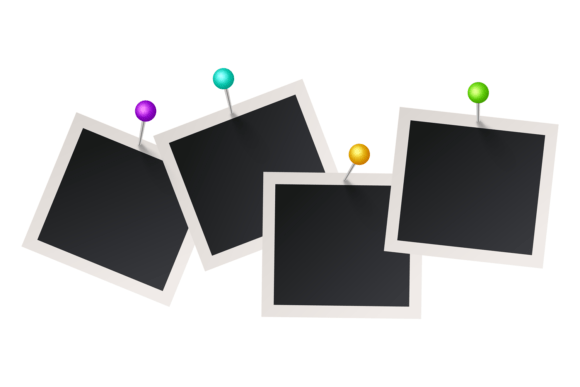
There is an undeniable nostalgia associated with the tactile nature of physical photographs, but in the digital age, we often look for ways to replicate that warmth on screen. This is exactly where the Photo Cards Fixed with Color Pins aesthetic shines. It isn’t just a set of images; it is a specific design language that mimics the look of a bulletin board or a scrapbook page, utilizing vibrant color pins to anchor photos to a background. For designers, content creators, and small business owners, this style offers a unique blend of organization and whimsy that can transform a standard layout into something interactive and engaging.
The visual characteristics of this style are defined by contrast and depth. You have the clean, often white background, which serves as a neutral canvas. Then, you introduce the "Album and Photo cards fixed with color pins," which creates a layered effect. The shadows cast by these digital pins add a 3D realism to a 2D medium. It’s a style that feels curated yet casual, perfect for portfolios that want to look personal or brands that want to convey transparency. Whether you are working with an EPS file for infinite scalability, a JPG for web use, or a transparent PNG for overlaying on complex backgrounds, the assets provide flexibility for almost any project.
Strategic Applications for Brand Identity and Marketing
Understanding the versatility of these design assets is key to maximizing their value. For brand identity, using an "Album frames template isolated on white background" can be a game-changer for lifestyle brands. Think about a boutique hotel or a travel agency; their marketing materials often rely on aspirational imagery. By using the color pin aesthetic, they can present their photos not just as static images, but as collected memories. This influences brand perception significantly, shifting it from corporate and sterile to warm and inviting.
In the realm of packaging design and physical products, the application is just as powerful. Imagine a coffee brand or a bakery using these frames on their labels to showcase ingredients or the history of the recipe. The tactile illusion of the pin makes the product feel handcrafted. For editorial design, such as magazine layouts or blog headers, these elements help create a strong visual hierarchy. The pins act as focal points that guide the reader's eye from one image to the next, effectively breaking up long blocks of text and improving overall readability.
Enhancing Digital Presence and Social Engagement
When we move into web design and social media graphics, the "Photo Cards Fixed with Color Pins" style becomes a tool for grabbing attention in a crowded feed. On platforms like Instagram or Pinterest, where visual storytelling is paramount, a static image can often get lost. However, an image that looks like it is pinned to a board adds a layer of novelty. It suggests a story behind the image, encouraging audience engagement. Content creators and bloggers can use these frames to create consistent templates for their posts, ensuring their grid looks cohesive while still allowing for variety through different colored pins.
For entrepreneurs and marketers, consistency is everything. Using the same "Album frames template" across different platforms—from your website’s "About Me" section to your weekly newsletter—builds recognition. It creates a visual shorthand that your audience learns to associate with your content. Furthermore, the use of transparent PNG versions of these cards allows for seamless integration into video content. A YouTuber could use these frames as lower-thirds or to display viewer-submitted photos, adding a production value that feels professional yet accessible.
Practical Guidance for Designers and Crafters
If you are a designer or crafter looking to incorporate these assets, it is important to think about font pairing and overall composition. Because the "Photo Cards Fixed with Color Pins" style is inherently playful and graphic, pairing it with a clean sans serif font for body text often works best to maintain readability. You don't want the typography to compete with the visual complexity of the pins and frames. However, for headers, a script font or a handwritten font can complement the scrapbook vibe perfectly, provided it remains legible.
When evaluating the files, particularly the EPS and vector formats, look at the scalability. These assets are premium font and design equivalents in terms of quality, meaning they should hold up when scaled for large-format printing, such as event backdrops or posters. For small business owners creating their own marketing materials, the "Album frames template isolated on white background" is particularly useful for creating quick mockups. You can easily drag and drop your product photos into the frames to see how they look in a "gallery" setting before committing to a full photoshoot.
Finally, consider the emotional impact of the color pins themselves. Color psychology plays a major role here. A red pin might signify urgency or passion, suitable for a sale announcement, while a blue pin might convey trust and calm, better suited for corporate updates. By utilizing the full range of colors available in these sets, you can match the specific mood of your message. This level of detail in graphic design might seem minor, but it contributes to the professionalism of the final product.
Ultimately, "Photo Cards Fixed with Color Pins. Album and Photo cards fixed with color pins" is more than just a visual trend; it is a functional design strategy. It bridges the gap between the digital and physical worlds, offering a way to present information that feels organized, personal, and visually stimulating. Whether you are designing a wedding invitation, a corporate report, or a social media campaign, these assets provide the structure and flair needed to make your content stand out.